

Let’s be honest — lunchbox time can be one of the most stressful five minutes of a parent’s morning. You’ve packed the sandwich, squeezed in the fruit, remembered the napkin… and yet somehow your kid still comes home saying lunch was “boring.” Sound familiar?
The good news is that making lunchbox time fun doesn’t require a culinary degree or a Pinterest-worthy bento box every single day. It’s less about what’s in the lunchbox and more about the little surprises, small rituals, and tiny moments of joy you tuck in alongside the food. Here are simple, realistic ways to turn an ordinary lunchbox into something your child actually looks forward to opening.
Add a Surprise Element Every Day
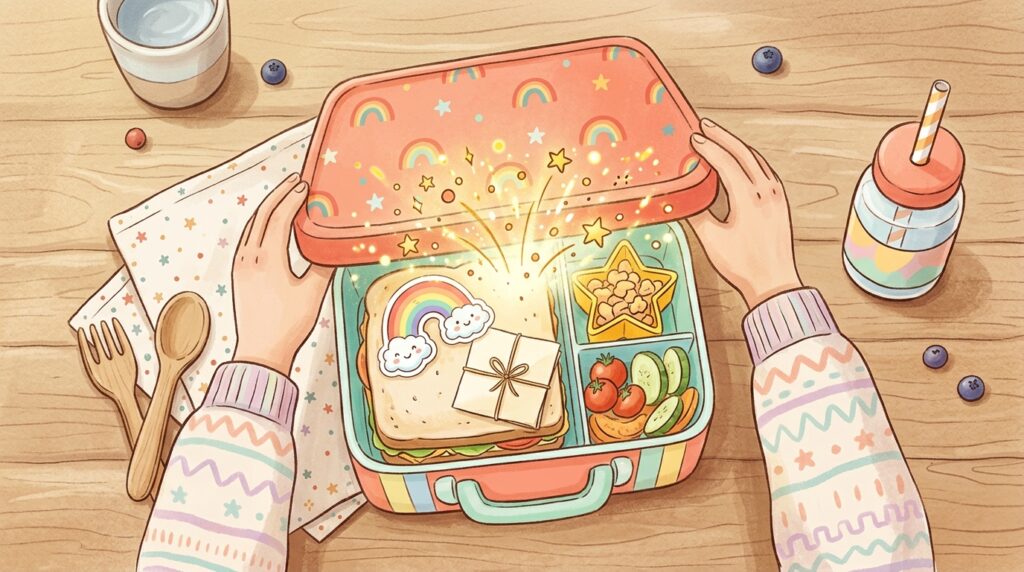
Kids thrive on anticipation. The moment they know something fun might be waiting inside their lunchbox, opening it becomes an event instead of a chore. This doesn’t have to be a toy or a treat — it can be as simple as:
- A funny sticker on the napkin
- A different colored container each day
- A small note tucked under the sandwich
The key isn’t the size of the surprise — it’s the consistency. When kids learn to expect something small and fun, lunchtime automatically becomes more exciting.
Use Lunchbox Notes (Jokes + Fun Facts Work Best)
This is one of the easiest and most effective tricks parents use — and for good reason. A small note slipped into the lunchbox takes seconds to add but creates a genuine highlight in your child’s day.
Here’s what makes lunchbox notes actually work, based on what kids respond to best:
- Keep it short. One joke or one fun fact is enough — kids read fast and move on.
- Combine humor with learning. A joke paired with a fun fact keeps things entertaining and gives them something to share with friends or a teacher.
- Rotate themes. Animal facts one day, silly puns the next, space facts after that — variety keeps it fresh.
- Make it visual. Bright colors and playful icons (suns, stars, smileys, clouds) catch a child’s eye far more than plain black-and-white text.
If handwriting a new note every single morning feels impossible (it does, for most parents), a ready-made set of printable notes solves this instantly. Print once, cut, and you have weeks — sometimes months — of surprises ready to go without any daily effort.
Let Them Feel Involved in Packing
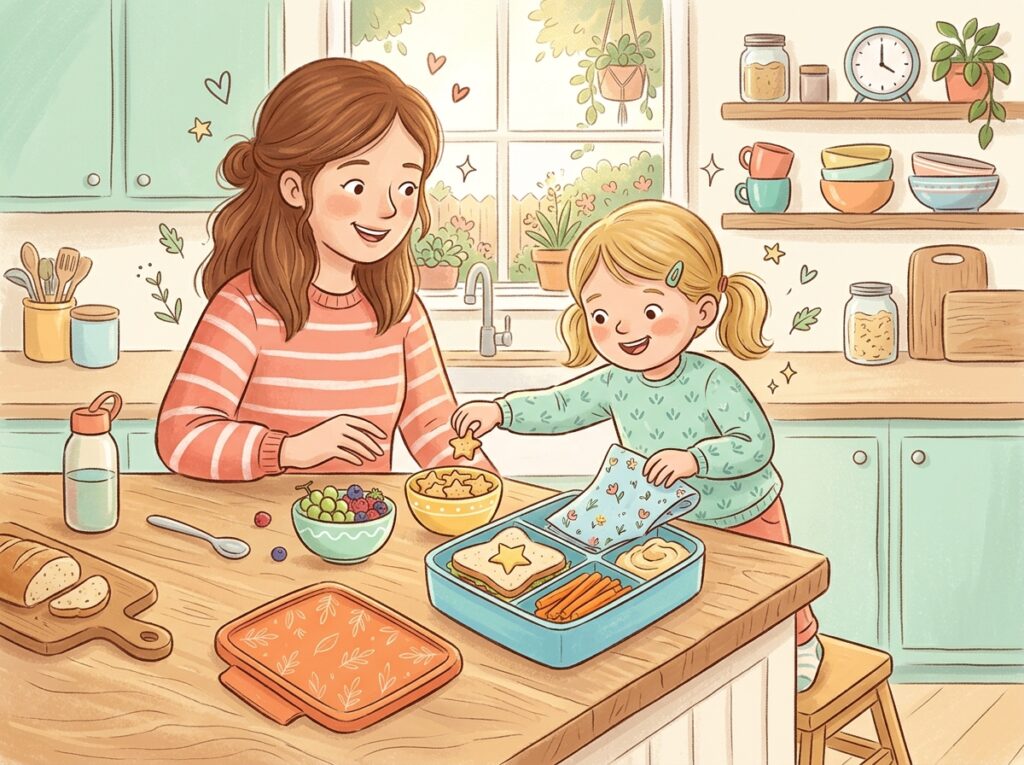
Kids are far more excited about lunch when they’ve had a say in it. Even five minutes of involvement can shift their entire attitude toward lunchtime.
Simple ways to involve them:
- Let them pick between two snack options the night before
- Give them a small “job” like placing the napkin or choosing the container
- Ask them what shape they’d like their sandwich cut into
This small sense of ownership makes the lunchbox feel like theirs, not just something handed to them.
Turn Food Into Shapes and Patterns
You don’t need advanced bento-box skills for this — a few basic tricks go a long way:
- Cut sandwiches into triangles, stars, or fun shapes with a cookie cutter
- Arrange fruit in a simple pattern or a smiley face
- Use small dividers or silicone cups to separate snacks by color
Visual appeal genuinely affects how excited a child feels about eating. A lunch that looks fun is far more inviting than one that’s technically nutritious but visually flat.
Create a Weekly Theme
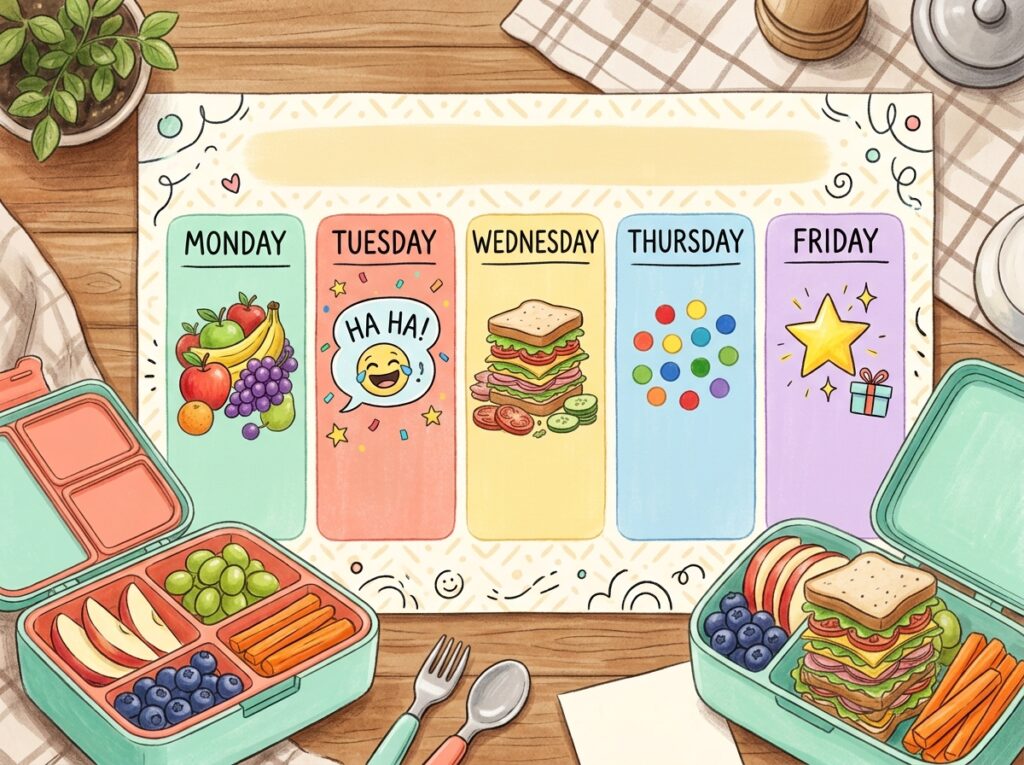
Assigning a light theme to each day removes decision fatigue for you and adds a layer of fun for your child.
For example:
- Monday: Fruit Day
- Tuesday: Joke Day (pair it with a lunchbox note!)
- Wednesday: Build-Your-Own Day (crackers + toppings)
- Thursday: Color Theme Day (all snacks in one color)
- Friday: Surprise Day
Themes don’t need to be elaborate. Kids simply enjoy the predictability of knowing something special is tied to each day.
Keep a Rotating “Fun Extras” Drawer
Set aside a small drawer or container with low-effort extras you can grab quickly: stickers, small notes, fun napkins, or mini reusable containers in different colors. When mornings are rushed, having this ready means you can still add a small touch of fun without extra thinking time.
Encourage Sharing at School
Kids love bringing something to lunch that gives them a reason to talk to friends — whether it’s a joke they get to read aloud, a fun fact they learned, or a snack shaped differently than usual. Social currency plays a bigger role in “fun lunch” than most parents realize. A simple joke note can turn into a mini icebreaker at the lunch table.
Making It Sustainable (Not Just a One-Week Effort)
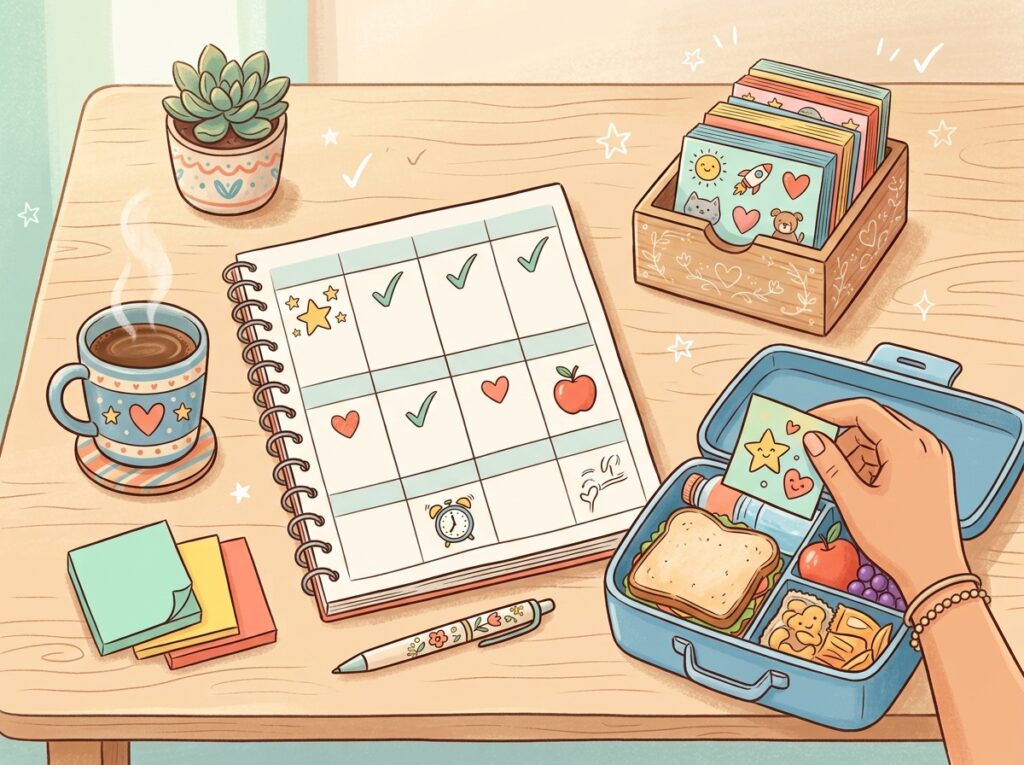
The biggest challenge with all of this isn’t creativity — it’s consistency. Most parents start strong on day one with a handwritten note or a perfectly arranged bento box, then life happens and the effort quietly fades by day four.
This is exactly why having a ready-to-use set of lunchbox notes makes such a difference. Instead of relying on daily inspiration, you prep once and reuse for weeks. A set that combines short jokes with fun facts hits the sweet spot — entertaining enough to make your child smile, and educational enough that it doesn’t feel like “just candy for the brain.”
If you’d like a set that’s already designed and ready to print, our Lunchbox Notes with Jokes set includes 50 playful, colorful notes — each pairing a joke with a fun fact, sized perfectly for slipping into any lunchbox. It takes the daily guesswork out completely, so you can focus on the fun part instead of the planning part.
👉 [Check out the Lunchbox Notes with Jokes set on Etsy] and make every lunchbox opening feel like a tiny surprise.https://www.etsy.com/your/shops/me/listing-editor/edit/4574271550#media
FAQs
1. How often should I add a lunchbox note?
Even 2–3 times a week makes a noticeable difference. It doesn’t need to be daily to feel special — consistency matters more than frequency.
2. What age group do lunchbox notes work best for?
They work great for kids roughly ages 4–10, since this is when reading skills are developing and the “surprise” element still feels exciting. Older kids often enjoy sharing jokes with friends too.
3. Are printable lunchbox notes better than handwritten ones?
Handwritten notes are sweet but hard to keep up daily. Printable sets save time while still feeling personal, especially when they’re colorful and fun-themed — kids rarely notice the difference in effort, only the joy of reading them.
4. Can lunchbox notes actually help kids at school?
Yes — fun facts give kids something interesting to share with classmates or teachers, and jokes often become a small icebreaker at the lunch table, which can help shier kids join conversations more easily.
5. What if my child gets bored of the same type of note?
Rotate between jokes, fun facts, and simple riddles, and change up the visual theme (colors, icons) every so often. A varied set — like one combining jokes with fun facts — naturally avoids repetition.
6. Do I need any special supplies to use printable lunchbox notes?
Not really — just a printer and scissors to cut them into slips. Most sets are designed to print multiple notes per page to save paper and time.
Final Thoughts
Making lunchbox time fun for kids isn’t about elaborate meals or hours of prep — it’s about small, repeatable moments of joy. A note, a shape, a splash of color, or a five-minute involvement ritual can turn an ordinary lunch into something your child genuinely looks forward to. Start with just one idea from this list, and you’ll likely notice the difference by the end of the week.

Jessica is a creative writer with 4 years of experience crafting witty and engaging pun-based blogs. She now brings her sharp humor and playful word skills to PunPlunge.com, spreading laughter through clever wordplay and smart humor.
